5–7 September 2025 | Ulcinj & Bar, Montenegro
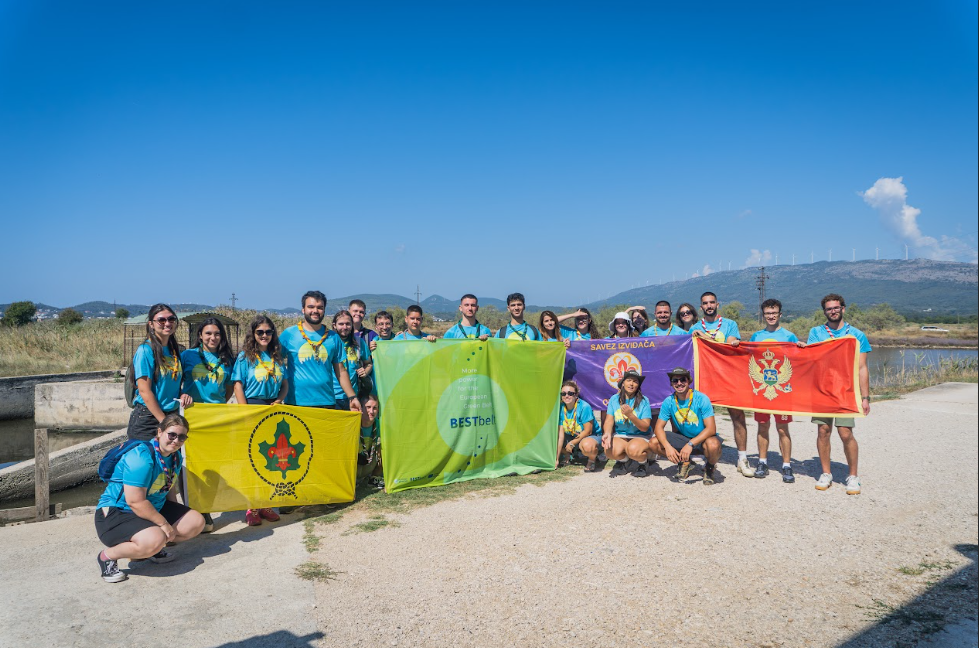
The third activity of the Green Belt Explorers – Learn it, Live it, Promote it project brought together youth from North Macedonia, Serbia, and Montenegro for an immersive three-day environmental and cultural journey along the Balkan Green Belt.
Organized by our partners from the Scout and Guide Association of Montenegro, the event aimed to deepen the understanding of the natural and cultural treasures of the region while fostering transboundary cooperation and youth engagement.
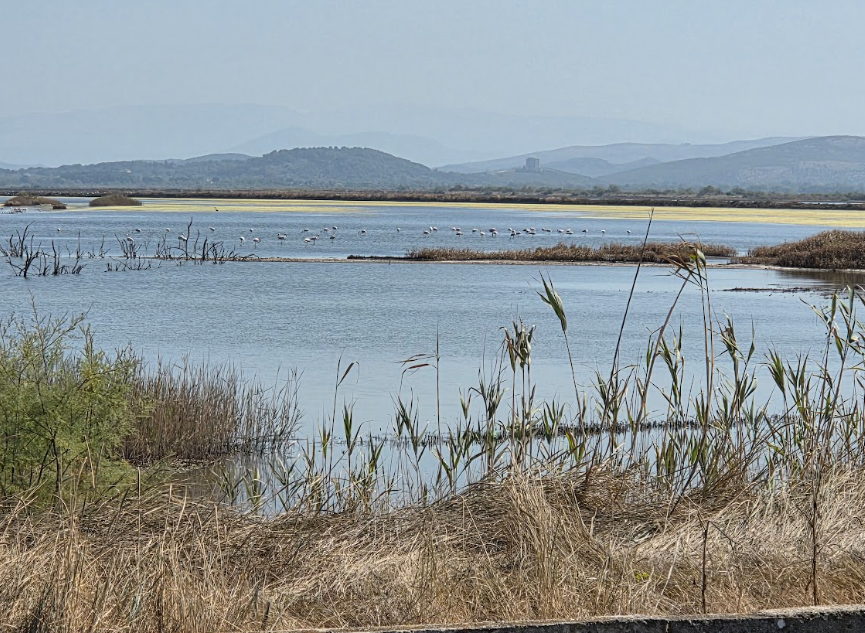
🦩 Field Visit to Solana Ulcinj: A Sanctuary Worth Saving
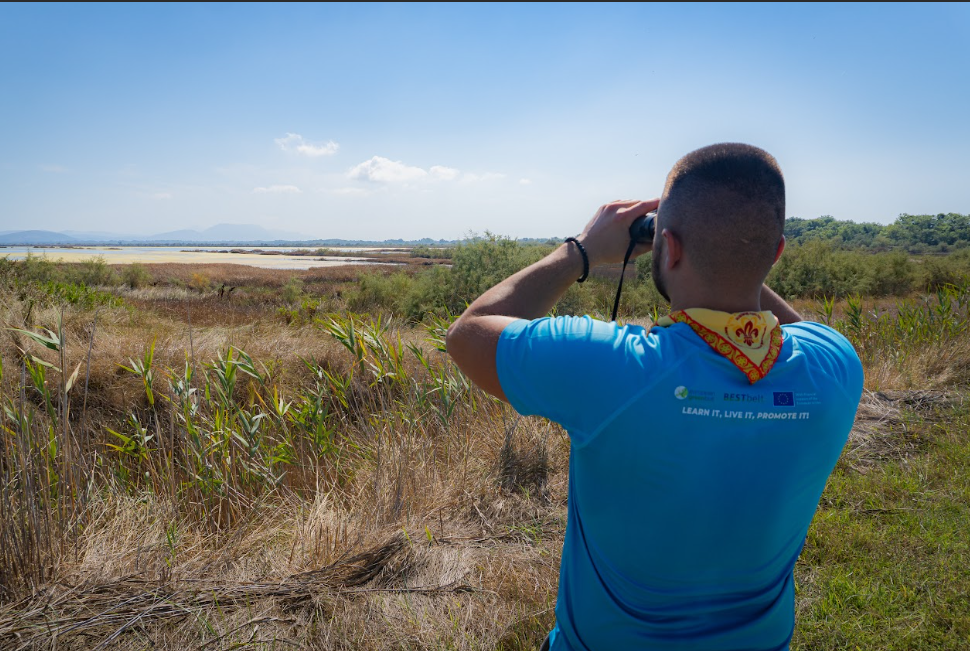
On the second day, participants visited Solana Ulcinj, one of the most important wetlands on the Adriatic migratory bird route. Once a productive saltworks, today the 1,500-hectare area is a haven for biodiversity, hosting over 250 bird species including flamingos, pelicans, and avocets.
Led by an educator from the Center for Protection and Research of Birds of Montenegro (CZIP), the group explored the ecological significance of this protected zone. They discussed the threats from human interference and habitat degradation, while reflecting on the importance of preserving migratory bird stopovers along the Green Belt. The visit was a powerful reminder of the responsibility young people have in becoming stewards of such fragile ecosystems.
Why it matters for the European Green Belt:
Solana Ulcinj is a priority wetland on the Adriatic Flyway, part of the larger migratory route connecting Europe and Africa. It lies directly on the path of millions of migratory birds, serving as a key resting and feeding site during long-distance journeys.
- European Green Belt Relevance:
The European Green Belt supports the connectivity of protected areas and critical habitats like Solana. Preserving such zones helps prevent biodiversity loss and strengthens ecological corridors, which is one of the main aims of the EGB.
🌳 The Old Olive Tree in Bar: A Living Witness of Millennia
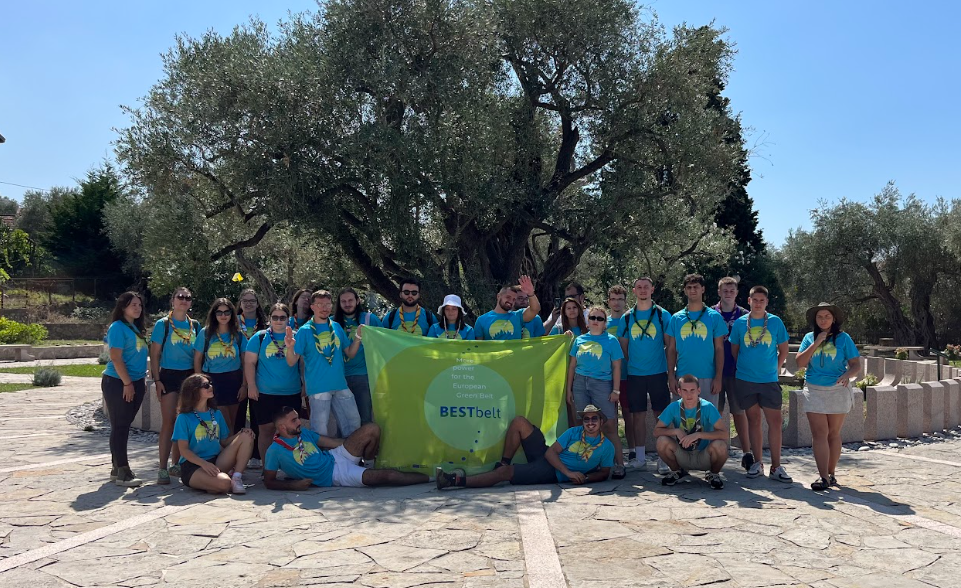
On the way to Ulcinj, participants made a symbolic stop at Stara Maslina (The Old Olive Tree) in Mirovica, estimated to be over 2,000 years old. As one of the oldest olive trees in the world, it represents both Montenegro’s natural heritage and its traditions of peace and reconciliation. The group learned local legends tied to the tree and discussed the ongoing challenges to preserve this monument in the face of climate impacts and human pressure.
- Why it matters for the European Green Belt:
Estimated to be over 2,000 years old, this olive tree is one of the oldest in Europe. It symbolizes nature’s resilience and the deep-rooted relationship between humans and the land. - European Green Belt Relevance:
The EGB is not only about nature conservation — it also promotes the integration of cultural landscapes and traditions. Stara Maslina stands as a living link between generations, reminding us that sustainable living and respect for nature are long-held values in the region.
🏛 A Journey Through History: Ulcinj Museum and Old Town
In the heart of Ulcinj’s Old Town, participants explored the Museum of Local History, where they traced the region’s rich cultural layers—from Illyrian settlements and Roman trade to Ottoman architecture and maritime traditions. The exhibits provided a powerful backdrop for understanding how cultural heritage intertwines with natural landscapes and how both can be safeguarded for future generations.
- Why it matters for the European Green Belt:
Ulcinj is a crossroads of civilizations, with layers of Illyrian, Roman, Byzantine, Ottoman, and Venetian heritage. The Museum captures this complexity and underlines the connection between people and nature over centuries. - European Green Belt Relevance:
The EGB encourages eco-cultural tourism and the promotion of regional identity as tools for sustainable development. The Old Town and its museum are key to understanding how people have coexisted with the natural environment, a core principle of the Green Belt philosophy.
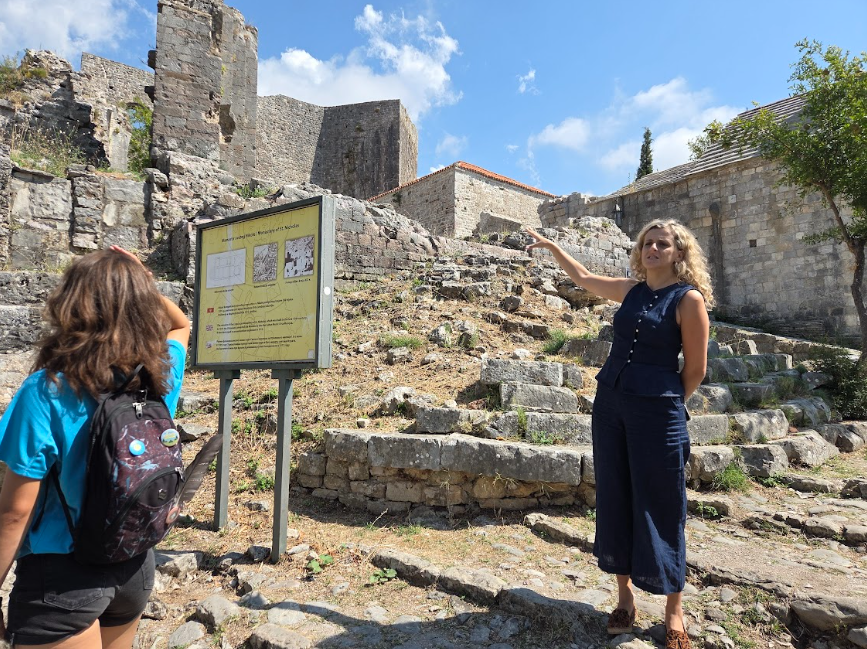
Each of the places visited during Activity 3 in Montenegro — Solana Ulcinj, Stara Maslina (Old Olive Tree), and the Museum & Old Town of Ulcinj — hold unique significance for the European Green Belt (EGB) because they embody the intersection of biodiversity, cultural heritage, and sustainable development, which are core values of the Green Belt vision.
Conclusion
All these locations together show why the Balkan Green Belt is more than just a line of nature — it’s a living mosaic of species, landscapes, and cultures. The visits in Montenegro helped young participants understand the shared responsibility of protecting this common heritage and inspired them to become its next-generation guardians.
Strengthening Regional Youth Collaboration
Throughout the activity, young participants engaged in discussions, reflection sessions, and informal networking, building bridges across borders and exchanging ideas for future collaboration. As part of their commitment, they are now preparing local activities to mark the upcoming European Green Belt Days, using the knowledge and inspiration gained during the visit.
This event is part of the “Green Belt Explorers – Learn it, Live it, Promote it” project, implemented by the Scout Association of North Macedonia in partnership with the Scout and Guide Association of Montenegro and the Scout Association of Serbia, financed by the European Union and the EuroNatur Foundation, the European Green Belt Initiative within the BESTbelt 3rd Call for Proposals.
Stay tuned as we continue our journey toward Serbia for the final field visit, exchange and local actions across the region!